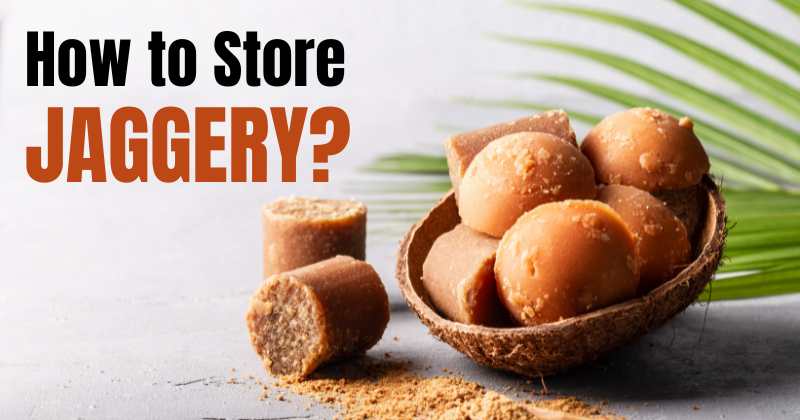
Jaggery, or Gur, is the heart of so many Indian kitchens. It’s comfort food, medicine, and dessert all rolled into one. But let’s be real—buying a big block of jaggery is the easy part. Keeping it from turning into a sticky, melted puddle or developing that dreaded white fungus? That is the real challenge.
Unlike refined sugar, which is pretty much indestructible, jaggery is raw and alive. It’s full of minerals and natural molasses, which unfortunately makes it a magnet for moisture. If you leave it exposed to air, it effectively “drinks” the humidity, leading to spoilage.
If you’re tired of throwing away good jaggery, here is the lowdown on how to store jaggery properly so it stays fresh for months.
Why Does Jaggery Spoil? (And The Mistakes We Make)
The science is simple: Jaggery hates humidity. The salt and magnesium in it attract water molecules from the air. This causes “weeping,” where the block gets sticky and wet. Once it’s damp, it becomes a perfect home for mold.
We’ve all been guilty of the common mistakes: leaving the lid slightly unscrewed, using a wet spoon to dig out a piece, or keeping the jar right next to a hot stove. All of these introduce moisture and heat, which are jaggery’s worst enemies.
The Best Way to Store Jaggery: A Practical Guide
To keep your supply safe, you need a strategy. Here is what works best:
1. Break It Up First
If you buy those large blocks (Bheli), don’t store them whole. It’s a pain to chip away at a rock-hard block every day, and opening the jar constantly exposes the whole thing to air.
- The Fix: Break the big block into bite-sized pieces immediately. Store them in an airtight container so you can grab just one nugget at a time.
2. The Double-Seal Method
This is the gold standard for homemade jaggery storage.
- Step 1: Put your jaggery pieces in a zip-lock bag and squeeze all the air out.
- Step 2: Put that bag inside an airtight rigid container. This double layer of protection is the best way to store jaggery if you live in a humid place.
3. Pick the Right Container
- Glass Jars: These are my favorite. They are airtight, don’t react with the food, and you can see if the jaggery is staying dry without opening the lid.
- Stainless Steel: A classic Indian choice. Just make sure the lid fits tightly. If it’s loose, moisture will get in.
- Earthen Pots: This is the traditional jaggery preservation method. The clay keeps the interior cool. Just make sure to line it with a cloth or straw so the jaggery doesn’t touch the clay directly.
Surviving the Seasons: Summer, Winter, and Monsoon
Your storage game needs to change with the weather.
- Winter: This is easy mode. The air is dry, so you can keep jaggery in a steel or glass jar on the counter. It’ll be fine.
- Summer: Heat can make the molasses separate and melt. Move your jar to a dark, cool pantry shelf. Keep it away from windows and the oven.
- Monsoon: This is the danger zone. The humidity is high, and spoilage happens fast. Keep the container sealed tight.
- Pro Tip: Throw a few cloves or a small muslin bag of uncooked rice into the jar. The rice acts as a natural dehumidifier, absorbing excess moisture to keep jaggery fresh.
The Big Question: Can You Put Jaggery in the Fridge?
Yes, you absolutely can! In fact, if you have organic or chemical-free jaggery (which spoils faster), the fridge is your best friend to prevent jaggery from melting.
But there is a catch: Condensation. When you take a cold jar out of the fridge, it starts to sweat immediately. If you open it, scoop some out, and let it sit on the counter, you are inviting moisture in.
- The Rule: Take out exactly what you need and put the container back in the fridge immediately.
Grandma’s Hacks: Traditional Preservation
Our ancestors stored jaggery for a full year without refrigerators. How?
- The Turmeric Trick: Dusting the blocks with a little turmeric powder helps prevent fungal growth (turmeric is a natural antifungal).
- The Oil Coat: Rubbing a very light layer of cooking oil (like mustard or sesame) on the blocks creates a barrier against the air.
How Long Will It Last?
If you follow these tips, here is the expected jaggery shelf life:
- Pantry (Airtight): 3 to 6 months.
- Fridge: 6 to 12 months.
- Freezer: Up to 2 years (Yes, you can freeze it!).
A final note: If your jaggery turns dark and hard over time, don’t worry. That’s natural aging. As long as there is no white fuzz or sour smell, it is perfectly safe—and delicious—to eat.
Treat your jaggery right, keep it dry, and it will stay sweet all year long!
Also Read: Why Jaggery Wins the Sustainability Wars (And Tastes Better, Too)